
Let me guess. You've read forty articles about GLP-1s and you still can't tell me, in one sentence, what the actual clinical data says.
That's not your fault. The signal-to-noise ratio on this topic is genuinely terrible. Half the internet is selling you something; the other half is warning you about the half that's selling you something. Meanwhile the peer-reviewed literature sits there, free to read, largely unread.
So this piece is the boring one. No transformation photos. No "one weird trick." Just what the trials measured, what the FDA has actually approved, where the evidence is thin, and why the compounded-versus-approved distinction matters more than most people realize.
Here's the short version, up top: GLP-1 receptor agonists are a class of injectable (and in some cases oral) medications originally developed for type 2 diabetes, several of which are now FDA-approved for chronic weight management. In randomized trials, average weight reduction ranges from roughly 8% to over 20% of body weight depending on the specific molecule, the dose, and whether the patient has type 2 diabetes. The averages hide enormous individual variation. Benefits extend beyond weight in specific populations. Side effects are mostly gastrointestinal and mostly manageable, but not trivial. And compounded versions are not FDA-approved products, full stop — they're a different regulatory category with different oversight.
Now the long version.

Why I Care Enough to Read the Supplements
I'm not a clinician. I want that on the record before I say anything else.
What I am is a person who took one of these medications, and who has a stubborn habit of reading the supplementary appendix of a trial at 11pm because the press release didn't answer my question. When I started, I wanted to know what percentage of people in the pivotal trial didn't respond. Nobody would tell me. The marketing said "up to." The forums said "it changed my life" or "it ruined my stomach," which are both true statements about different people and useless as a forecast for me.
So I went and found the number. In the STEP 1 trial, about 13.6% of participants on semaglutide 2.4 mg did not achieve even 5% weight reduction at 68 weeks. That's roughly one in seven. Nobody puts that in a headline. But knowing it made me a calmer patient, because I stopped treating week six as a referendum on my character.
That's the spirit of this article. Real numbers, including the unflattering ones.
What a GLP-1 Receptor Agonist Actually Is
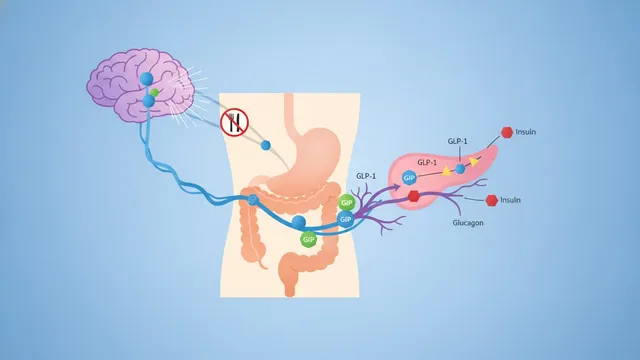
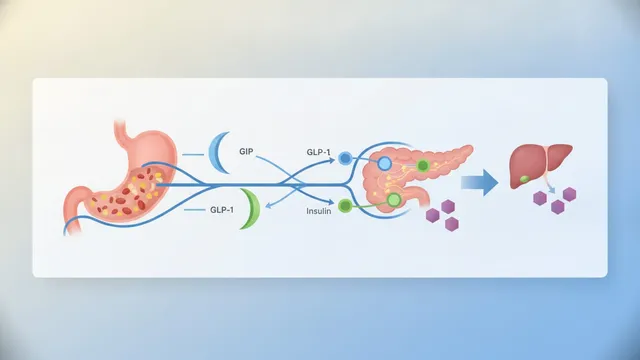
Glucagon-like peptide-1 is a hormone your gut releases after you eat. It nudges the pancreas to release insulin when glucose is high, suppresses glucagon, slows how fast the stomach empties, and acts on receptors in the brain involved in appetite and satiety.
Native GLP-1 breaks down in about two minutes. The drugs are engineered analogues that resist that breakdown, so they act for hours or days instead.
A few distinctions worth holding onto:
- Not all of these drugs are the same molecule. Semaglutide, liraglutide, dulaglutide, and exenatide are GLP-1 receptor agonists. Tirzepatide is a dual agonist — it activates both the GIP and GLP-1 receptors, which is why it's often described as being in the same conversation but not the same class.
- Dose matters enormously. The same molecule at a diabetes dose and a weight-management dose is, functionally, two different interventions with two different evidence bases.
- These are chronic-condition medications. The trials studied them as ongoing therapy alongside reduced-calorie eating and increased physical activity. That framing is in the FDA labeling for a reason.
What's Actually FDA-Approved
This is where a lot of confusion lives. "GLP-1 for weight loss" is a category; FDA approval is molecule-specific, dose-specific, and indication-specific.
For chronic weight management, the general eligibility framing in approved labeling is adults with a BMI of 30 or greater, or 27 or greater with at least one weight-related comorbidity such as hypertension, type 2 diabetes, or dyslipidemia — as an adjunct to a reduced-calorie diet and increased physical activity.
| Agent | Class | Weight-management approval | Other notable FDA-approved indications |
|---|---|---|---|
| Liraglutide 3.0 mg | GLP-1 RA (daily) | Yes — approved December 2014 | Type 2 diabetes at lower dose |
| Semaglutide 2.4 mg | GLP-1 RA (weekly) | Yes — approved June 2021 | Cardiovascular risk reduction in adults with established CVD and overweight/obesity (added 2024); type 2 diabetes and chronic kidney disease indications at lower doses |
| Tirzepatide | GIP/GLP-1 dual agonist (weekly) | Yes — approved November 2023 | Type 2 diabetes; moderate-to-severe obstructive sleep apnea in adults with obesity (added December 2024) |
| Dulaglutide, exenatide, oral semaglutide 7/14 mg | GLP-1 RA | No | Type 2 diabetes glycemic control |
Labeling changes. Additional indications continue to be reviewed — semaglutide 2.4 mg was studied for metabolic dysfunction–associated steatohepatitis in the ESSENCE trial reported in 2025, for example. Always check the current FDA label rather than an article's snapshot, including this one.
What the Trials Show — and How Much Varies
Here's the efficacy data from the pivotal randomized, placebo-controlled trials. Note the differences in trial length and population; these are not head-to-head comparisons except where noted.
| Trial | Agent & dose | Duration | Mean weight change | Placebo |
|---|---|---|---|---|
| SCALE (2015) | Liraglutide 3.0 mg | 56 wk | −8.0% | −2.6% |
| STEP 1 (2021) | Semaglutide 2.4 mg | 68 wk | −14.9% | −2.4% |
| SURMOUNT-1 (2022) | Tirzepatide 5 / 10 / 15 mg | 72 wk | −15.0% / −19.5% / −20.9% | −3.1% |
| STEP 2 (2021) | Semaglutide 2.4 mg, patients with T2D | 68 wk | −9.6% | −3.4% |
| SURMOUNT-5 (2025) | Tirzepatide vs semaglutide 2.4 mg, head-to-head | 72 wk | −20.2% vs −13.7% | — |
Three things jump out of that table if you read it properly.
One: dose response is real. Tirzepatide at 5 mg and 15 mg produced meaningfully different average results in the same trial. Titration isn't bureaucratic theater — it's dosing toward a therapeutic target while managing tolerability.
Two: type 2 diabetes attenuates the weight response. Compare STEP 1 to STEP 2. Same molecule, same dose, roughly 5 percentage points of difference. This is a consistent, replicated finding, and if you have diabetes it's important context so you don't measure yourself against the wrong benchmark.
Three: averages are a lie you tell yourself. In STEP 1, 86.4% of participants reached at least 5% reduction, 69.1% reached 10%, 50.5% reached 15%, and about a third reached 20% or more. And roughly one in seven reached none of those. You are a point in a distribution, not the mean.
Beyond the Scale
The evidence that has most changed clinical thinking isn't about weight at all.
- SELECT (NEJM, 2023): 17,604 adults with established cardiovascular disease and overweight or obesity, without diabetes. Semaglutide 2.4 mg reduced major adverse cardiovascular events versus placebo (6.5% vs 8.0%; HR 0.80) over a mean of about 40 months.
- FLOW (NEJM, 2024): Semaglutide 1.0 mg reduced the risk of major kidney disease events in patients with type 2 diabetes and chronic kidney disease (HR 0.76).
- SURMOUNT-OSA (NEJM, 2024): Tirzepatide substantially reduced apnea-hypopnea index in adults with obesity and moderate-to-severe obstructive sleep apnea.
These are the studies that moved GLP-1s from "weight loss drug" to "metabolic disease therapy" in the clinical literature. They're also why physician supervision matters — the same molecule at a different dose for a different indication in a different patient is a genuinely different clinical decision.
The Parts Nobody Puts on a Billboard
Gastrointestinal side effects are common. Nausea, vomiting, diarrhea, constipation. In the pivotal trials these were mostly mild-to-moderate and concentrated during dose escalation, but they drove a nontrivial share of discontinuations. Labeling also carries warnings regarding pancreatitis, gallbladder disease, and — based on rodent studies — a boxed warning about thyroid C-cell tumors, with contraindications in patients with a personal or family history of medullary thyroid carcinoma or MEN2.
Weight regain after stopping is well documented. In STEP 4 (JAMA, 2021), participants who continued semaglutide after a 20-week run-in lost an additional 7.9% over the next 48 weeks; those switched to placebo gained 6.9%. A one-year off-treatment extension of STEP 1 found participants regained roughly two-thirds of the weight they'd lost. This is what "chronic condition, chronic therapy" means in practice, and it's the single most under-discussed fact in the entire category.
Body composition deserves attention. A meaningful fraction of total weight lost on these medications is lean mass, which is normal for substantial weight reduction of any kind but is a reason resistance training and adequate protein intake aren't optional extras. Eat the protein. Lift something heavy twice a week. This is the least glamorous and most durable advice in the article.
Real-world persistence is far lower than trial persistence. Published analyses of claims data, including work in JAMA Network Open, consistently find that a substantial share of patients stop within the first year — for cost, side effects, access, or plateau frustration. Trials come with structured support. Real life mostly doesn't, which is precisely the gap a supervised program is supposed to close.
Compounded Versus FDA-Approved: The Distinction That Matters
If you take one thing from this piece, take this.
Compounded drugs are not FDA-approved. The FDA does not review them for safety, effectiveness, or quality before they reach patients. That's not a slur on compounding pharmacies — traditional compounding serves a real clinical purpose, like preparing an allergen-free formulation for a specific patient. But it is a categorically different regulatory status, and marketing that blurs the two is doing you a disservice.
The FDA has been explicit about specific concerns with unapproved GLP-1 products used for weight loss, documented on its own advisory page:
- Salt forms are not the same active ingredient. The agency has flagged products containing semaglutide sodium and semaglutide acetate, which differ from the approved active ingredient and have not been shown to be safe and effective.
- Dosing errors have caused harm. FDA has received adverse event reports involving patients measuring doses themselves from multi-dose vials, in some cases administering five to twenty times the intended dose, with hospitalizations reported.
- Sourcing has been a problem. There have been warnings regarding active ingredient obtained from unregistered foreign suppliers and products sold outside a legitimate patient-prescriber relationship.
The regulatory landscape also shifted. FDA declared the tirzepatide shortage resolved in December 2024 and the semaglutide shortage resolved in February 2025, which narrowed the circumstances under which 503A and 503B facilities could produce copies of those drugs. Anything still being marketed as a cheap alternative in 2026 deserves a direct question: what exactly is in the vial, who made the active ingredient, and under what authority?
Ask. Out loud. To a human with a license.
TB2 Health, which publishes this article, operates a physician-supervised GLP-1 program; I'm leaving it at that, because this piece isn't the place for a sales pitch.
Where I Stop and a Clinician Starts
I can read a trial. I can't read you.
Whether a GLP-1 is appropriate depends on things I have no business assessing: your medical and family history, your thyroid and pancreatic risk profile, your kidney function, your current medications and how they interact, whether you're pregnant or planning to be, your history with disordered eating, and a dozen other variables that show up in a proper eligibility screening and nowhere in a blog post.
If anything here made you think "huh, maybe," the next step isn't a purchase. It's a conversation with a licensed clinician who can screen you properly, explain contraindications in your specific context, and — importantly — tell you if the answer is no. A program that never says no isn't a medical program.
One Last Thing
The most useful thing I can tell you about this evidence base is that it's still being built. SELECT was published in 2023. The sleep apnea indication landed in late 2024. Head-to-head data arrived in 2025. Five years ago half of what's in this article didn't exist.
Which means the right posture isn't certainty in either direction. It's curiosity with a good screening process attached. Read the primary sources — most of them are free. Bring your questions to someone qualified to answer them. Be suspicious of anyone who promises you a number.
And if you're already in this and week nine is going sideways: the distribution has a wide tail on both ends, plateaus are in the trial data too, and none of it is a verdict on you.
Paul Moss
Disclosure: This article is published by TB2 Health. The author has no economic or commercial relationship with TB2 Health; the relationship is a personal acquaintance only. This content is educational and does not constitute medical advice. It is not a substitute for consultation with a qualified healthcare professional regarding your individual circumstances.