By Paul Moss, Co-founder, tb2.health
You got a lab result back. Maybe it said "prediabetes." Maybe your A1c ticked up two tenths of a point and your doctor said "let's watch it." Maybe nobody said anything at all and you found the number yourself in the patient portal at 11pm, which is how most of us do it.
I want to tell you what that number is actually describing. Not the label. The mechanism underneath it.
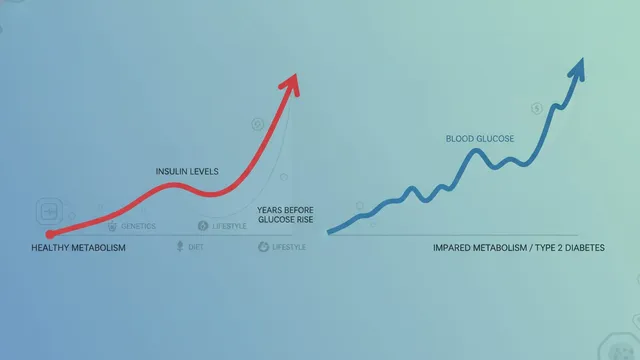
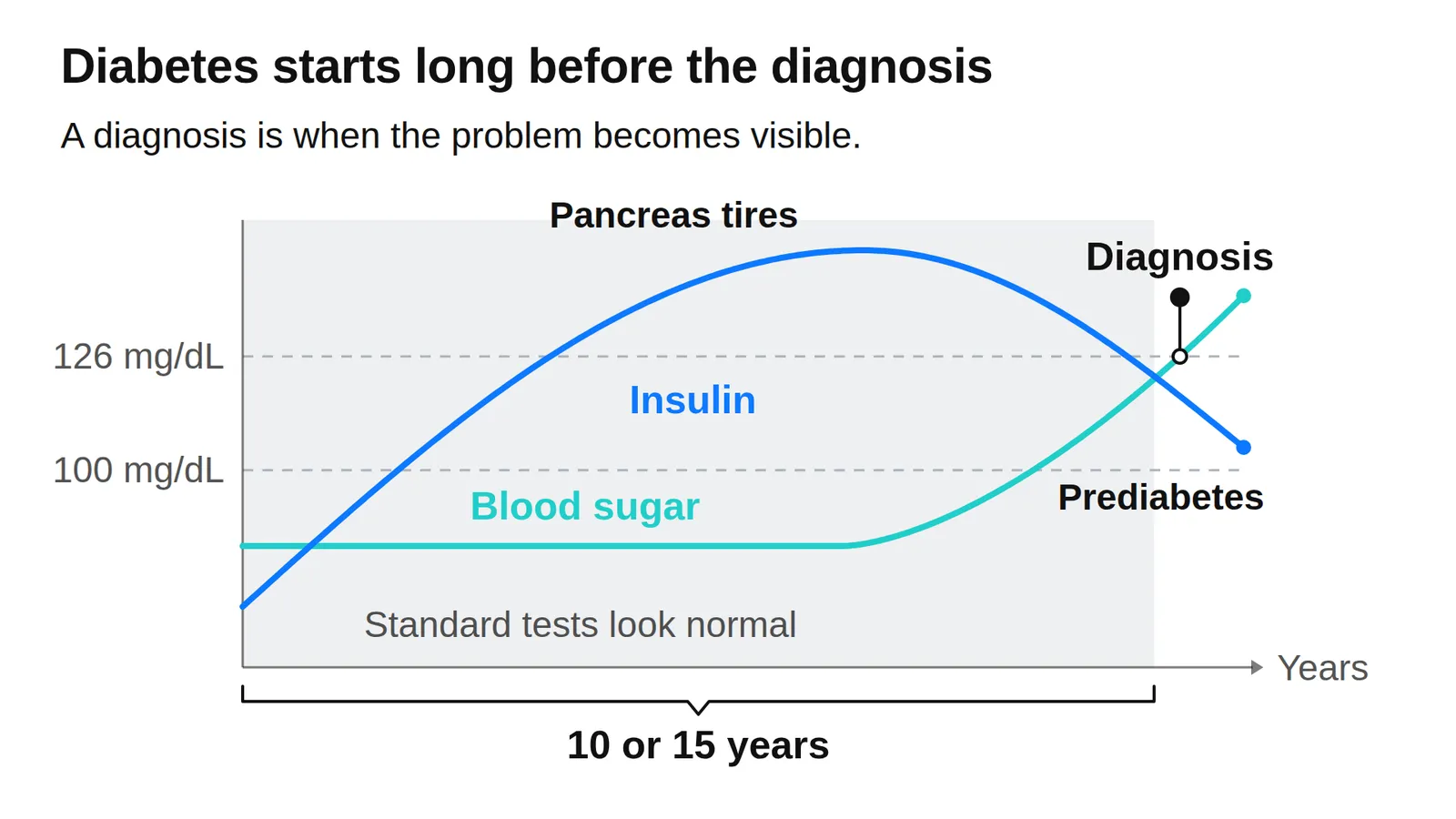
Because here's the part that gets skipped: type 2 diabetes is usually the last chapter of a story that started 10 or 15 years earlier. The plot twist happens long before the diagnosis does.
The short answer
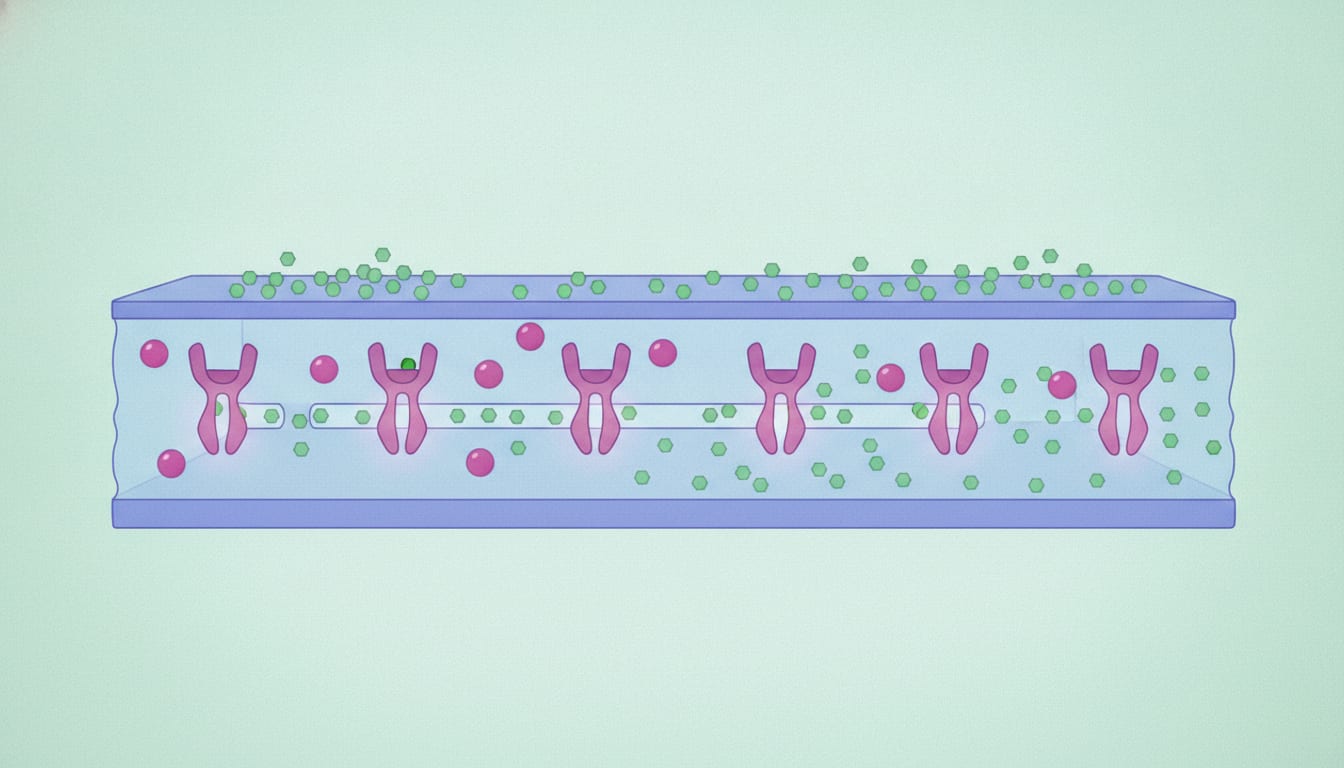
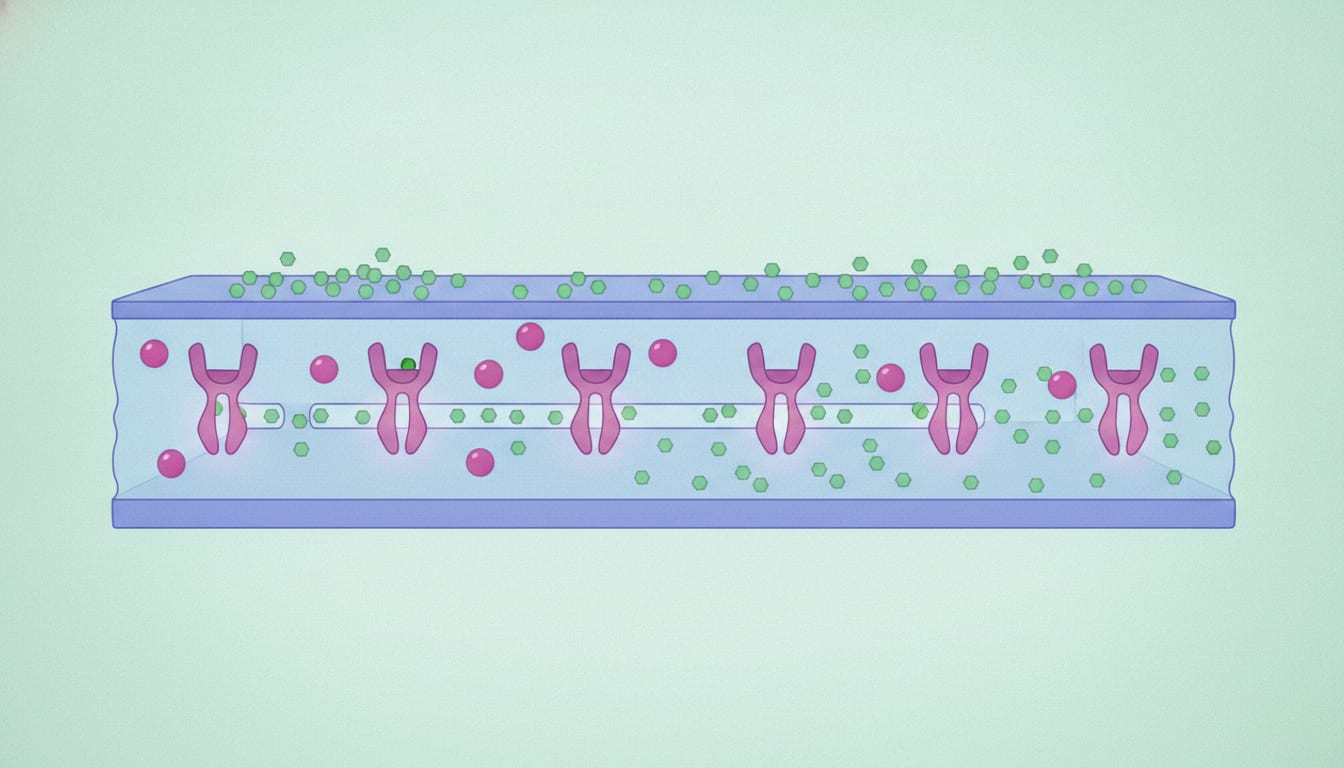
Insulin resistance means your cells have stopped responding well to insulin, so your pancreas compensates by making more of it. For years, sometimes decades, that compensation works. Blood sugar stays normal. You feel fine. Nothing shows up on a standard glucose test.
Then the beta cells in your pancreas get tired of running at 300% output, capacity slips, and blood sugar starts to drift up. That drift is what gets measured as prediabetes, then type 2 diabetes.
So a diagnosis of type 2 diabetes is not the beginning of a metabolic problem. It's the point at which the problem became visible on a cheap blood test.
That reframe matters, because it changes what you go looking for.
Why I care about this one personally
I'm the co-founder of tb2.health, and I was also our patient zero. Not in a marketing-slogan way. In a "my own labs were the reason I started reading papers at midnight" way.
My fasting glucose was 104. Triglycerides were high-ish. HDL was low-ish. My weight had been creeping about three pounds a year for a decade, which is so slow you never notice it, right up until you notice all of it. Nobody diagnosed me with anything. My doctor used the phrase "borderline," which I now think is one of the least useful words in medicine.
I did what most people do. I cut calories hard. Lost weight. Felt cold and cranky and obsessed with food. Regained it over about 14 months. Then did it again.
What I didn't understand at the time was that I was treating a symptom (the weight) and ignoring the driver (the metabolic state, plus a body defending its established weight with real, measurable hormonal force).
I'm not a clinician. I'm a guy who built a company around this after learning it the slow, annoying way. Everything diagnostic below belongs to your doctor. But the biology is worth your time.
How insulin resistance actually develops
Insulin is a storage and traffic-control hormone. After you eat, it tells muscle and liver cells to take up glucose, tells fat cells to hold onto fat, and tells the liver to stop making its own glucose.
Resistance builds when those tissues stop listening. A few things drive it:
Ectopic fat. Fat that ends up where it shouldn't be, inside liver cells and muscle cells and packed around the organs, interferes with insulin signaling locally. This is why two people at the same weight can have completely different metabolic profiles. Location beats quantity.
Liver overproduction. An insulin-resistant liver keeps pumping out glucose overnight even when it shouldn't. That's often why fasting glucose is the first number to misbehave.
Beta cell strain. The pancreas compensates with more insulin. High circulating insulin makes fat storage easier and fat release harder, which is a genuinely unfair loop to be stuck inside.
Muscle mass and muscle use. Skeletal muscle is the largest glucose sink in the body. Less of it, or less contraction in it, means less somewhere for glucose to go.
The personal fat threshold
Professor Roy Taylor's group at Newcastle proposed what they call the twin cycle hypothesis and the concept of a "personal fat threshold": each of us has an individual limit for how much fat we can store subcutaneously before it starts spilling into liver and pancreas. Cross your own threshold and metabolic dysfunction follows, regardless of where you sit on a BMI chart (Taylor, Diabetes Care).
This explains something people find genuinely confusing. Slim relatives with type 2 diabetes. Larger relatives without it. The threshold is personal, and it is heavily influenced by genetics and ethnicity. South Asian populations, for example, tend to develop metabolic dysfunction at lower body weights.
Where the number on the scale misleads you
Weight is a proxy. A useful one, imperfect. Two markers that often say more about metabolic health than weight alone:
- Waist circumference relative to height
- The ratio of triglycerides to HDL cholesterol on a standard lipid panel
Neither is a diagnosis. Both are signal.
The numbers that tell the story
These are the standard diagnostic cut points used in the United States, per the American Diabetes Association Standards of Care and the CDC:
| Test | Normal | Prediabetes | Diabetes |
|---|---|---|---|
| Fasting plasma glucose | Below 100 mg/dL | 100 to 125 mg/dL | 126 mg/dL or higher |
| A1c (3-month average) | Below 5.7% | 5.7% to 6.4% | 6.5% or higher |
| 2-hour glucose (OGTT) | Below 140 mg/dL | 140 to 199 mg/dL | 200 mg/dL or higher |
Two things your standard panel usually does not show you:
Fasting insulin. Not routinely ordered, not perfectly standardized between labs, but it's the number that can be elevated for years while glucose looks fine. Some clinicians use it, some calculate HOMA-IR from insulin and glucose together. Worth asking about, not worth demanding.
Where you sit inside the "normal" range. A fasting glucose of 98 and a fasting glucose of 82 are both labeled normal. They are not the same trajectory. Track your own numbers over years, not single snapshots. That longitudinal view is the single most underrated form of progress monitoring in metabolic health.
Scale: the CDC's National Diabetes Statistics Report estimates roughly 38 million Americans have diabetes and about 98 million adults have prediabetes. More than eight in ten of the prediabetes group don't know it. You are not an outlier. You are the demographic.
Metabolic syndrome: the cluster, not the single symptom
Insulin resistance rarely travels alone. Clinicians look for a cluster, and meeting any three of these five criteria is the standard definition of metabolic syndrome (harmonized criteria, Circulation):
| Criterion | Threshold |
|---|---|
| Waist circumference | 40 inches or more (men), 35 inches or more (women), with ethnicity-specific adjustments |
| Triglycerides | 150 mg/dL or higher |
| HDL cholesterol | Below 40 mg/dL (men), below 50 mg/dL (women) |
| Blood pressure | 130/85 mmHg or higher |
| Fasting glucose | 100 mg/dL or higher |
If you've been handed two or three separate diagnoses at two or three separate appointments, this table may be the first time anyone has shown you that they're related.
The conditions that travel with insulin resistance
This is where problem-aware reading usually starts. People arrive at insulin resistance sideways, through something else.
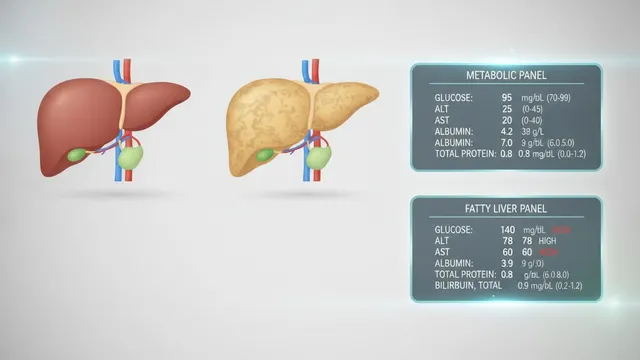
Liver health and fatty liver. Metabolic dysfunction-associated steatotic liver disease (MASLD, formerly called NAFLD) is strongly linked to insulin resistance and frequently shows up as a mildly elevated ALT or an incidental finding on an ultrasound ordered for something unrelated. An insulin-resistant liver is doing two jobs badly at once: storing fat it shouldn't and exporting glucose it shouldn't.
PCOS. Polycystic ovary syndrome involves insulin resistance in a majority of cases, independent of weight. High insulin stimulates ovarian androgen production, which drives the hormonal features, which makes weight change feel differently difficult than it does for other people. It's not a willpower gap. It's a different starting hormonal environment.
Sleep apnea and respiratory health. The relationship runs both directions. Interrupted sleep and intermittent overnight low oxygen worsen insulin sensitivity. Classic work by Spiegel and colleagues showed that even short-term sleep restriction in healthy young men reduced glucose tolerance measurably (The Lancet, 1999). If you snore, wake unrefreshed, or your partner has started elbowing you at night, that is metabolic information.
Menopause and hormonal weight gain. The perimenopausal decline in estrogen is associated with a shift in fat distribution toward the abdomen and a measurable reduction in insulin sensitivity. Same person, same habits, different metabolic response. This is real physiology, not a character flaw.
Cardiometabolic and kidney health. Insulin resistance and the hypertension, lipid changes, and chronic inflammation that travel with it are central drivers of cardiovascular and kidney risk. The kidneys are quietly downstream of everything here, which is why an annual urine albumin check matters more than most people realize.
Cognitive health and longevity. There's a growing body of research on insulin signaling in the brain and its relationship with long-term cognitive risk. The evidence is still developing and I'm not going to overstate it. But it's another reason metabolic health in your forties is not just a forties problem.
What the evidence says actually moves insulin sensitivity
Now the useful part. Insulin resistance is not a one-way door. Two landmark trials frame what's possible.
The Diabetes Prevention Program randomized over 3,000 adults with prediabetes and found that an intensive lifestyle intervention reduced progression to type 2 diabetes by 58% over an average of just under three years, and by 71% in participants aged 60 and older (NEJM, 2002).
The DiRECT trial in UK primary care found that 46% of participants in a structured weight management program achieved diabetes remission at 12 months, and remission tracked closely with the amount of weight lost (Lean et al., The Lancet, 2018).
Those are population averages from structured trials, not promises about any individual. But they establish the direction of travel.
What the underlying levers look like in practice:
Build and use muscle. Resistance training improves insulin sensitivity through mechanisms partly independent of weight change. Muscle is your glucose disposal system. Protect it. Two sessions a week beats zero by an enormous margin, and structured movement you'll actually repeat beats optimal movement you'll abandon.
Walk after you eat. Ten to fifteen minutes of easy walking after your largest meal blunts the post-meal glucose rise. It's the highest return-per-minute intervention I know of. Boring. Effective.
Get protein intake right. Adequate protein supports muscle preservation during any period of weight change and tends to improve satiety per calorie. If weight is coming down, protein and resistance training are what determine how much of the loss is fat versus lean tissue.
Sleep like it's a metabolic intervention. Because it is one.
Focus on habit formation over heroics. The DPP intervention wasn't magic. It was structured, supported, repeated, and monitored. Behavior change with accountability outperforms behavior change on willpower, every time, in every trial that has bothered to compare them.
Talk to a clinician. Genuinely.
Here's my honest caveat, and I mean it as a trust marker rather than a legal shield.
I'm not a clinician. Nothing above is a diagnosis or a treatment plan, and insulin resistance sits at the intersection of enough systems (endocrine, hepatic, cardiovascular, renal, reproductive) that self-interpreting labs is a bad idea. Some of what looks like insulin resistance is thyroid. Some is medication side effect. Some is something else entirely.
So take this article and use it as a question list:
- Can we look at my fasting glucose and A1c trend over the last five years, not just today's value?
- Do I meet criteria for metabolic syndrome?
- Should we check liver enzymes, a lipid panel, and urine albumin?
- Given my family history and background, what's my realistic risk trajectory?
- Should I be screened for sleep apnea?
At tb2.health, our clinicians treat this cluster as one problem with several faces, not five unrelated complaints, and the intake starts with the same kind of full metabolic picture described above. That's the approach whether or not medication ever enters the conversation.
Where this goes next
The thing I'd want you to take away is this: a rising A1c is information, not a verdict. Insulin resistance is a physiological state with identifiable drivers, measurable markers, and a documented capacity to improve. It is one of the more modifiable things in all of chronic disease, which is a genuinely good hand to be dealt.
You will have weeks where nothing moves. That's not failure, that's the shape of the curve. Metabolic change is slow and lumpy and mostly invisible until it isn't.
Go get the full panel. Ask the awkward questions. Start from an accurate picture of your own biology rather than the version you've been guessing at.
Knowing what's actually happening underneath is not a small thing. It's the whole start.
Paul Moss, Co-founder, tb2.health
This article is educational and is not medical advice. Diagnosis, testing decisions, and treatment belong to a licensed clinician who knows your history.