
In May 2026, polycystic ovary syndrome was given a new name: polyendocrine metabolic ovarian syndrome, or PMOS. The change came out of an international consensus process that gathered input from more than 14,000 patients and clinicians, and it is being phased in over the next couple of years. Most lab forms and clinics will still say "PCOS" for a while, so that is the name I use here.
The new name puts a word in the middle that patient groups have been asking clinicians to take seriously for a long time: metabolic. PCOS affects cycles, skin, and hair, but for most people who have it, it also affects how the body handles insulin. That shapes weight, hunger, and energy in ways that have little to do with willpower.
The short version
PCOS affects an estimated 8 to 13 percent of women of reproductive age, and the World Health Organization notes that up to 70 percent of cases worldwide go undiagnosed. It is one of the most common endocrine conditions there is, and one of the most under-recognized.
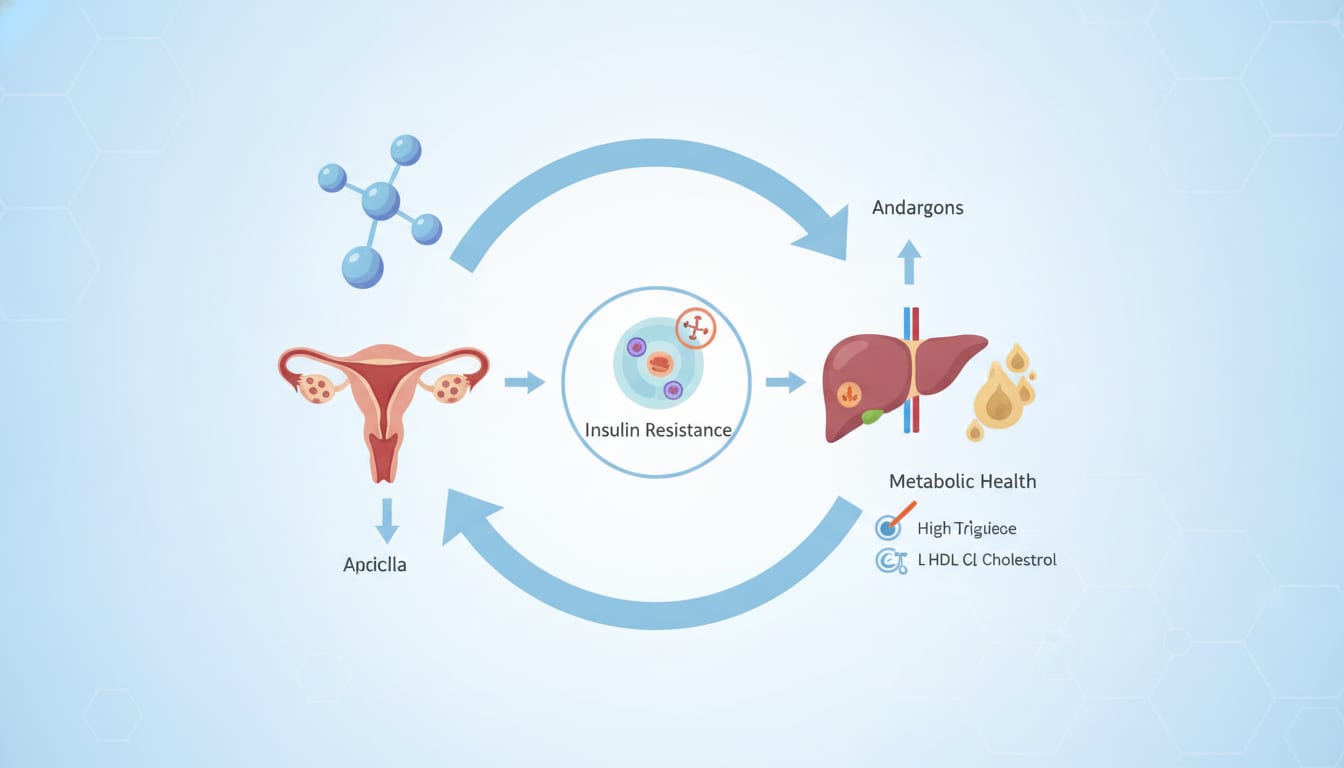
The metabolic piece is the part that gets lost. Insulin resistance is present in a large majority of people with PCOS, and it shows up at every body size, including in people with a BMI in the normal range. High insulin levels push the ovaries to produce more androgens. Higher androgens worsen insulin signaling and shift where the body stores fat. The loop feeds itself.
That is a big part of why weight can respond differently with PCOS. The biology is different, not the effort.
Why I'm writing about this
I'm Paul, co-founder of tb2.health. I spent years losing and regaining the same thirty pounds before I understood that metabolism is not a moral category. That part of the story is mine.
PCOS is not. I don't live with it and I'm not a clinician, so for this piece I've leaned on the people who know it best: the 2023 international guideline, the endocrinology research, and studies in which people with PCOS described their own experience of getting care.
Those accounts are hard to read. In a 2022 survey of Canadian women with PCOS published in BMC Women's Health, 34 percent waited more than two years for a diagnosis, and 41 percent saw three or more health professionals before getting one. In focus groups run by researchers at the University of Colorado, participants said they often felt dismissed, and that conversations with their clinicians centered on two topics: weight loss and future fertility. The metabolic side, the part with the biggest long-term health implications, frequently went unexamined.
Everything below is sourced. None of it replaces a workup with a clinician who can order labs and read them in the context of your history.
What is happening inside the loop
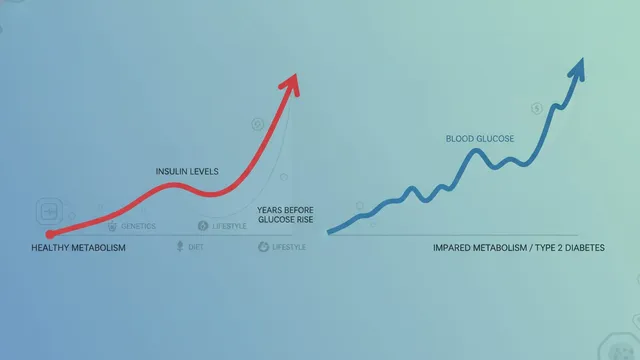
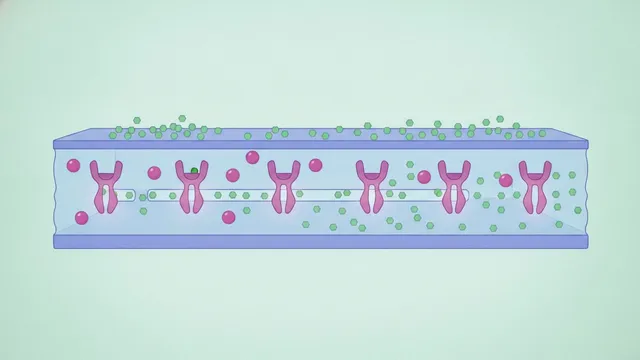
Insulin is a storage hormone. Its job is to move glucose out of the bloodstream and into cells. When cells respond poorly to that signal, the pancreas compensates by producing more insulin. Blood sugar can look normal on a basic panel for years while insulin levels run high in the background. That state is hyperinsulinemia, and it does more than manage glucose.
Two of its effects matter a lot in PCOS:
It stimulates ovarian androgen production. Insulin acts on theca cells in the ovary, amplifying the production of testosterone and related androgens. This is a well-characterized mechanism, described in detail in the Endocrine Society's scientific statement on PCOS by Diamanti-Kandarakis and Dunaif.
It lowers sex hormone-binding globulin. SHBG is the protein that binds testosterone and keeps it inactive in circulation. High insulin suppresses liver production of SHBG, so even a modest rise in total testosterone translates into a larger rise in free, biologically active testosterone.
More free androgen disrupts ovulation, which is why cycles become irregular. It also promotes visceral fat accumulation, which generates inflammatory signaling that further degrades insulin sensitivity. Each step makes the next one a little more likely.
Why hunger and fullness can work differently
Several studies have found blunted post-meal responses of satiety hormones in women with PCOS, including lower GLP-1 and cholecystokinin after eating compared with matched controls. In practical terms, the signal that a meal was enough may arrive later or more weakly. Research on appetite regulation in PCOS has been reviewed in Human Reproduction Update and related endocrinology literature. Findings vary by study design, so this is suggestive rather than settled, but the direction has been consistent.
PCOS is also linked to sleep problems and to higher rates of depression and anxiety, which is why the 2023 guideline recommends screening for both. Taken together, it helps explain why generic advice to eat less and move more so often falls short for people with this condition. That is a limitation of the advice, not of the person following it.
The diagnosis that often arrives late
Most clinicians use the Rotterdam criteria, endorsed by the 2023 International Evidence-Based Guideline for the Assessment and Management of PCOS. Two of three features are required, with other causes excluded.
| Criterion | What it means in practice |
|---|---|
| Ovulatory dysfunction | Irregular, infrequent, or absent periods, typically cycles longer than 35 days or fewer than 8 per year |
| Hyperandrogenism | Clinical signs (hirsutism, persistent acne, scalp hair thinning) or elevated free testosterone on labs |
| Polycystic ovarian morphology | Seen on ultrasound. In adults, the 2023 guideline allows elevated anti-Müllerian hormone (AMH) as an alternative |
Two things worth knowing. First, ultrasound is not required for diagnosis if the other two criteria are met, and it should not be used to diagnose adolescents within eight years of their first period. Second, you can meet full criteria without being overweight. So-called lean PCOS accounts for a meaningful minority of cases, and insulin resistance is frequently present in that group too. A normal BMI is not a reason to skip metabolic screening.
The conditions that travel alongside
PCOS rarely shows up on its own. The 2023 guideline and subsequent meta-analyses document substantially elevated rates of several cardiometabolic conditions.
| Condition | What the evidence shows |
|---|---|
| Type 2 diabetes | Risk is roughly two to four times higher, often with earlier onset. Impaired glucose tolerance frequently precedes it by years |
| Metabolic syndrome | Prevalence approximately double that of age-matched women without PCOS |
| Fatty liver disease (NAFLD/MASLD) | Meta-analyses report prevalence in the 35 to 50 percent range, with odds roughly 2.5 times higher than controls |
| Obstructive sleep apnea | Markedly more common, with some studies reporting several-fold higher odds independent of weight |
| Cardiovascular risk markers | Higher rates of dyslipidemia and hypertension, flagged in the American Heart Association's scientific statement on PCOS and cardiovascular disease |
Read that table as a reason for monitoring, not a prediction. These are associations across populations, not anyone's personal fate. They are also why a good PCOS workup looks well beyond a pelvic ultrasound.
What screening should include
The international guideline is specific here, and specifics help in a short appointment.
- Glycemic status at diagnosis and every one to three years after, more often with additional risk factors. An oral glucose tolerance test is more sensitive than fasting glucose or HbA1c alone in this population.
- Lipid profile at diagnosis, repeated based on results and overall risk.
- Blood pressure at least once a year.
- Weight and waist circumference tracked over time, used as data rather than judgment.
- Screening questions for obstructive sleep apnea, particularly with snoring, daytime sleepiness, or unrefreshing sleep.
- Screening for depression and anxiety, which the guideline explicitly recommends because rates are elevated and the impact on everything else is real.
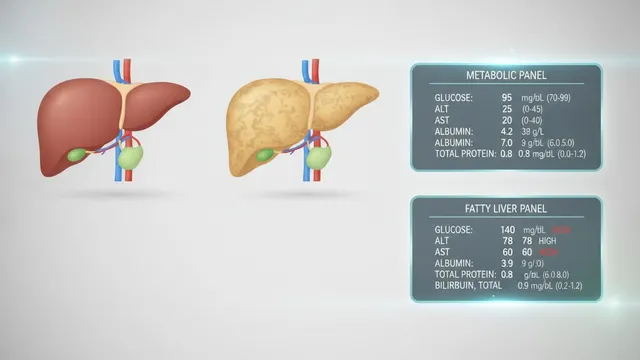
If liver enzymes come back elevated, or other risk factors stack up, liver imaging may be warranted. Fatty liver is common enough in PCOS that it belongs on the radar rather than turning up by accident.
The levers with actual evidence behind them
Nothing here is a cure, because there is no cure for PCOS. There is management, and most of it is aimed at the insulin side of the loop.
Resistance training. Muscle is the largest site of glucose disposal in the body, and contraction moves glucose into muscle through a pathway that does not require insulin. Two or three sessions a week is a meaningful stimulus. It is one of the few interventions that improves insulin sensitivity somewhat independently of weight change.
Protein and fiber at every meal. Not a diet. A structure. Both slow gastric emptying and blunt the glucose spike that drives the insulin spike. If fullness signals are weaker, building meals that produce a stronger one is a practical workaround.
Sleep. A single week of restricted sleep measurably reduces insulin sensitivity in healthy adults. Untreated sleep apnea on top of PCOS works against everything else on this list, so snoring or unrefreshing sleep is worth raising with a clinician.
Consistency over intensity. The guideline is clear that no single dietary pattern outperforms the others for PCOS. Adherence is the variable that matters, so the right pattern is the one that fits your real life and your real schedule.
Medical management where indicated. Depending on your goals (cycle regularity, androgen symptoms, fertility, glycemic control), there are pharmacological options with guideline support. Which, if any, apply to you is a clinical decision, and it belongs with a clinician who knows your full history.
What to ask for
I can tell you what the literature says. I can't tell you what it means for your labs, your cycle, your family history, or your plans.
So bring this to someone who can order a two-hour OGTT, read a lipid panel in context, and talk through what comes next. Ask specifically about metabolic screening, not only reproductive symptoms. If the answer is a suggestion to lose weight and nothing else, that is not a complete workup, and it is reasonable to ask for more. At tb2.health our physicians and patient care coordinators do this kind of metabolic review every day. We are not a replacement for a gynecologist or reproductive endocrinologist, but if you want a starting point for the metabolic side, we are here. What matters most is that someone looks at the whole picture.
Where this leaves you
A new name on a lab form is a small thing. What it reflects is not: years of patients pushing for recognition that this condition reaches well past the ovaries, and that the metabolic side deserves the same attention as cycles and fertility.
If you have PCOS, or think you might, the most useful next step is usually an unglamorous one. Ask for the screening the guideline describes. Get the actual numbers. Then make decisions with your clinician based on data, not on anyone's assumptions about effort.
And for the lived side of this, which no guideline captures, patient organizations like Verity in the UK and PCOS Challenge in the U.S. have been listening to people with PCOS far longer than any of us writing about it.
Paul Moss Co-founder, TB2 Health
This article is for educational purposes and is not medical advice. PCOS diagnosis and management require evaluation by a licensed healthcare professional. Do not start, stop, or change any treatment based on this content.