
One of the most common things women report about weight during the menopause transition isn't a big jump on the scale. It's that the scale barely moves while clothes start fitting differently. The research backs that up, and it points to what is actually changing underneath.
I'm a man writing about something I will never go through, so most of what follows is what researchers and clinicians who specialize in menopause have found. Where I can add something, it's in connecting that research to metabolic health, which is the part of this TB2 actually works on.
The short answer
Weight change during the menopause transition is driven by two separate things happening at the same time, and they often get blended together.
One is aging. Lean muscle mass slowly declines, activity tends to drop, and the average midlife woman in the Study of Women's Health Across the Nation (SWAN) gained roughly a pound and a half a year during the transition years regardless of menopausal status.
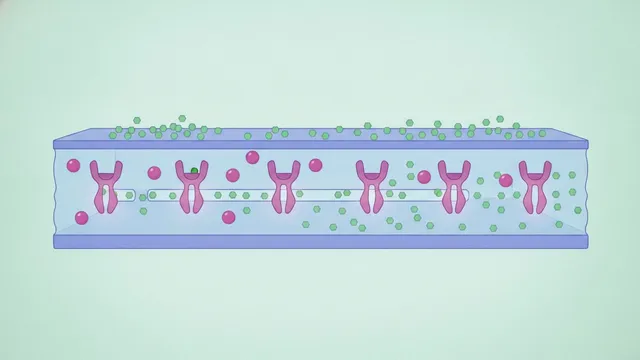
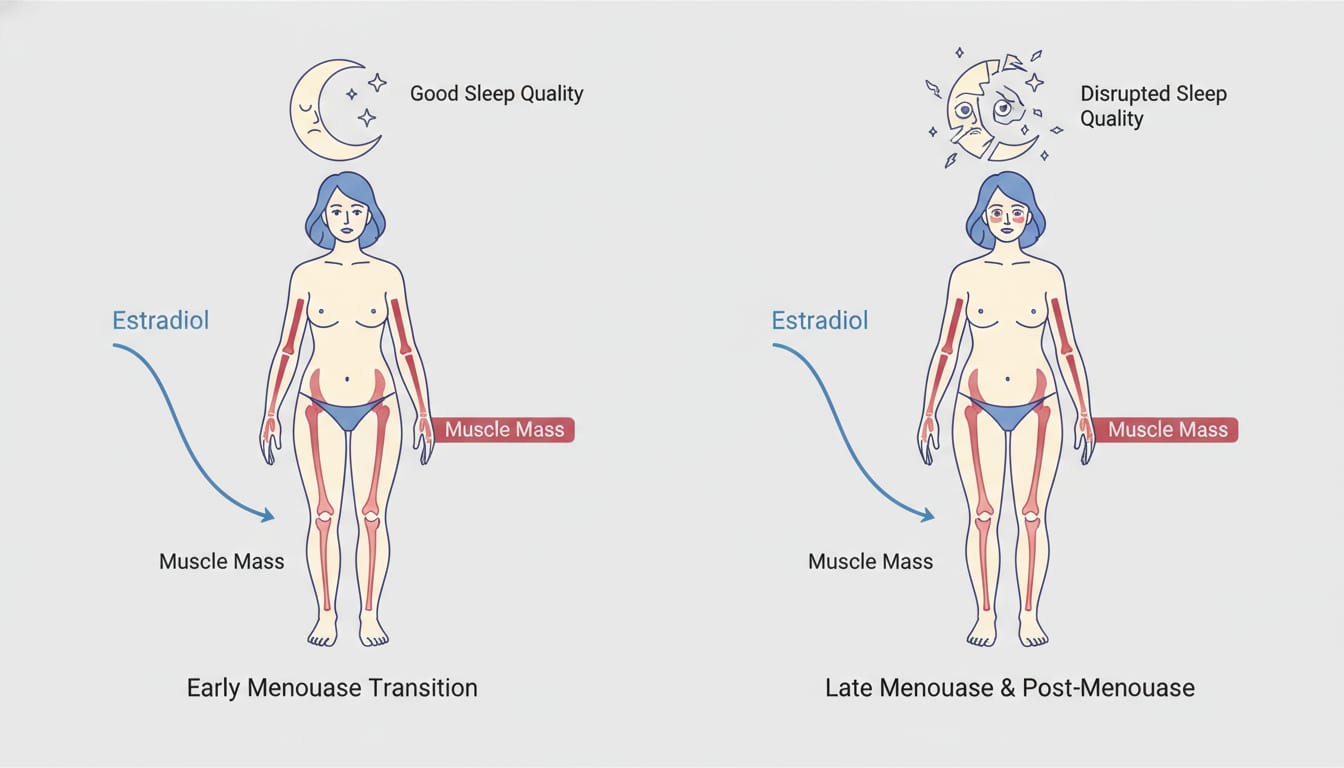
The other is the hormonal shift itself. Falling estradiol changes where the body stores fat, how sensitive tissues are to insulin, and how well you sleep. That part is menopause-specific, and it's the part that explains why the number on the scale can barely move while body composition and lab results both change.
Put simply: menopause doesn't flip a switch that makes weight go up. It changes where fat is stored, how the body handles insulin, and how well you sleep, and those changes add up.
Where I'm coming from
I co-founded tb2.health after my own metabolic reckoning: roughly six years of trying everything in the wrong order. That's my story, and it isn't a menopause story.
I'm not a clinician, and I can't diagnose anything. What I have done is read this literature closely and ask our medical team a lot of questions. The main thing I took away is that "it's just menopause, you'll adjust" leaves a lot of useful, measurable information on the table.
What the research shows
Fat mass rises, lean mass falls, and the timing is specific
The most useful study here is Greendale and colleagues' 2019 analysis in JCI Insight, which tracked body composition in SWAN participants across the transition. Fat mass accumulation accelerated starting roughly two years before the final menstrual period and continued for about a year and a half afterward, rising at approximately 1.7% per year during that window. Lean mass moved in the opposite direction, with the sharpest decline occurring in the postmenopausal years.
That's a defined window of accelerated change rather than a permanent downhill slope, which is useful to know when thinking about the years that follow it.
Fat distribution changes, independent of how much you weigh
This is the finding behind the scale staying put while clothes fit differently. In Lovejoy's longitudinal study published in the International Journal of Obesity, total fat increased with age in all women, but the increase in visceral fat, the metabolically active fat stored around the organs, was specific to the women who became postmenopausal during the study period.
Visceral fat matters more than subcutaneous fat because it behaves differently. It releases free fatty acids and inflammatory signals directly into the portal circulation, which is part of why it's more tightly linked with insulin resistance, liver fat, and cardiovascular risk than fat stored elsewhere.
Is there a metabolism "cliff" at 50?
It's one of the most repeated claims in midlife health content, and the data are more nuanced than it suggests.
The large 2021 Science analysis by Pontzer and colleagues, which pooled doubly labeled water measurements from more than 6,400 people, found that total energy expenditure adjusted for body composition stays remarkably stable from roughly age 20 to age 60, then declines by about 0.7% per year after that. That study looked at energy expenditure across the lifespan rather than at menopause specifically, but it found no sharp drop in midlife.
So if metabolic rate isn't falling off a ledge, why does energy balance get harder? Because the inputs change. Less muscle means a slightly lower resting burn and worse glucose disposal. Worse sleep means more hunger signaling and less daytime movement. Joint pain, demanding schedules, and less time for movement can all reduce day-to-day activity. Those add up quietly.
That distinction matters. A metabolism that's "broken" sounds hopeless. A set of inputs that have shifted is something you can work on.
Sleep is the variable almost nobody measures
Vasomotor symptoms, the hot flashes and night sweats, are not just uncomfortable. They fragment sleep, often for years. SWAN data on sleep show that difficulty staying asleep is among the most common complaints across the transition.
And fragmented sleep does measurable metabolic damage: reduced insulin sensitivity, altered appetite-regulating hormones, and higher next-day calorie intake in controlled studies. There's also a structural piece. Risk of obstructive sleep apnea rises substantially after menopause, and the classic Wisconsin Sleep Cohort data found postmenopausal women had notably higher odds of sleep-disordered breathing than premenopausal women, even after adjusting for body weight.
If you're snoring, waking unrefreshed, or your partner has mentioned you stop breathing, that's a conversation to have with a clinician. Untreated sleep apnea makes every other metabolic problem harder to budge.
What tends to cluster together in this window
| What's changing | What it's connected to | Why it matters |
|---|---|---|
| Visceral fat accumulation | Insulin resistance, metabolic syndrome | Raises risk of type 2 diabetes and cardiovascular disease |
| Declining lean mass | Lower glucose disposal, reduced strength | Affects both metabolism and long-term independence |
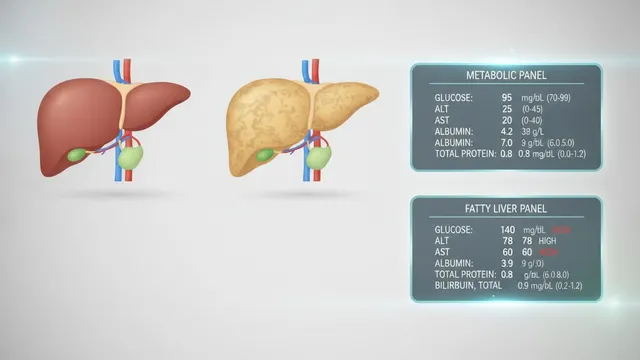
| Liver fat accumulation | Metabolic dysfunction-associated steatotic liver disease (formerly NAFLD) | Often silent; usually caught on routine liver enzymes or imaging |
| Fragmented sleep, vasomotor symptoms | Sleep apnea, appetite dysregulation | Compounds insulin resistance and daytime fatigue |
| Rising blood pressure and lipids | Cardiometabolic risk | Postmenopausal cardiovascular risk rises sharply |
SWAN researchers found that the odds of developing metabolic syndrome increased during the transition in a way that wasn't fully explained by chronological aging. The NHLBI's overview of metabolic syndrome is a solid plain-language primer if you want to see the diagnostic criteria for yourself.
One more thing worth naming: for women who have PCOS, the metabolic picture in midlife often looks different again. Insulin resistance that was already present doesn't disappear at menopause, and the symptom overlap can be genuinely confusing.
Numbers worth asking about
Your clinician decides what to test. Knowing what exists can help you ask better questions in a short appointment.
| Marker | What it tells you |
|---|---|
| Waist circumference | A practical proxy for central fat accumulation, often more informative than BMI alone in midlife |
| Fasting glucose and HbA1c | Where you sit on the spectrum from normal to prediabetes to type 2 diabetes |
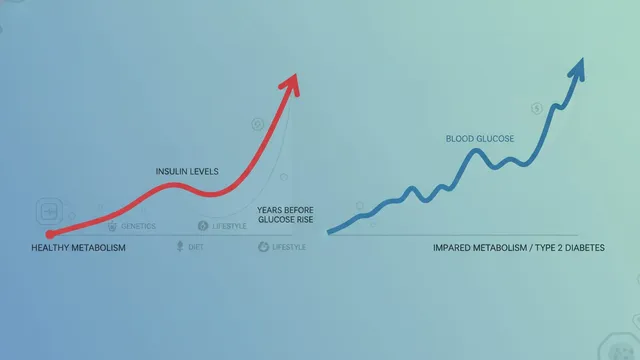
| Fasting insulin or HOMA-IR | Can reveal insulin resistance before glucose rises |
| Lipid panel, including triglycerides and HDL | Two components of the metabolic syndrome definition |
| ALT and AST | Screening signal for liver fat |
| TSH | Thyroid dysfunction is common in midlife women and mimics menopausal symptoms |
| Blood pressure | Rises postmenopause and is frequently under-monitored |
Note that TSH on that list. Hypothyroidism, iron deficiency, and medication side effects all produce fatigue and weight change that can get filed under "menopause." Ruling out the simpler explanations first is worth it.
What actually helps
There's no trick here. These are the changes with the most evidence behind them.
Resistance training is the highest-leverage change. Not because it burns many calories during the session, but because it defends the lean mass that's otherwise declining. Two to three sessions a week, progressively loaded. The National Institute on Aging's strength training guidance is a reasonable starting framework, including for people who have never done strength training before.
Protein intake usually needs to go up. Protein needs tend to rise with age because of anabolic resistance, meaning older muscle responds less efficiently to the same amount of protein. Most clinical nutrition guidance for midlife and older adults lands well above the standard RDA. Spreading it across meals works better than loading it all at dinner.
Treat sleep as a metabolic intervention. It is one. If hot flashes are disrupting your nights, that's a legitimate medical issue with legitimate medical options, not something you have to simply push through.
Look at alcohol honestly. Midlife is when many people's intake quietly increases, and it affects sleep architecture and liver fat at the same time.
Don't let the scale be the only measure. Waist measurement, strength numbers, and how you feel at 4 p.m. all tell you things the scale can't.
On hormone therapy
Menopausal hormone therapy is prescribed for vasomotor symptoms and other menopause-related indications. It is not a weight-loss treatment and isn't approved as one. Some observational evidence suggests it may modestly influence central fat accumulation, but that's a side observation, not an indication. The Menopause Society's position statements are the authoritative reference, and the decision belongs entirely to you and your prescriber.
Where a clinician fits, and where I don't
Everything above is physiology and epidemiology. None of it tells you what's happening in your specific body.
If your weight pattern has changed, if your waist measurement is moving independently of the scale, or if you feel your concerns haven't been fully looked into, the useful next step is a proper metabolic workup with someone who will look at the labs alongside your symptoms rather than treating them as separate complaints.
We at TB2 Health run physician-supervised metabolic programs, so I have an obvious interest here, and I'd rather be clear about what that covers. We don't treat menopause symptoms or prescribe hormone therapy. For hot flashes, night sweats, or hormone therapy questions, a primary care provider or a clinician certified by The Menopause Society is the right place to start. What we can help with is the metabolic side. Either way, what matters is that someone connects the dots instead of handling the hot flashes in one appointment and the bloodwork in another.
What I'd take from all this
What changed my own understanding of this topic was how measurable it is. In the research, the accelerated phase has a beginning and an end. Muscle responds to training at every age that's been studied. And the markers that matter most can be checked with ordinary bloodwork and a tape measure.
So the practical version is short. Ask for the waist measurement, the A1c, the lipid panel, and a thyroid check. Mention sleep. Ask what the numbers mean for you specifically. Those questions start a more useful conversation than "it's just menopause."
Paul Moss Co-founder, TB2 Health
This article is for educational purposes and is not medical advice. Menopause-related symptoms and metabolic changes require evaluation by a licensed healthcare professional. Do not start, stop, or change any treatment based on this content.