
By Paul Moss, Co-founder, tb2.health
So you made it. Twelve months in, jeans two sizes down, labs looking like a different human's. Now the question I get more than any other lands in my inbox: "Paul, what does this actually cost me from here?"
Fair question. Let's talk about it honestly — dollars, habits, and the quiet expenses nobody puts on the invoice.

The Short Answer, Up Front
Year-two maintenance typically costs less than year one — but not zero. Whether you stay on a maintenance dose, taper to microdosing, or discontinue entirely, you'll still be spending on food quality, movement, monitoring, and (for most people) some form of ongoing clinical support. Budget realistically, and you protect the results. Wing it, and — well, I've watched too many people learn that lesson the hard way.
My Own Year-Two Math
I'm the co-founder of tb2.health, but I'm also patient zero. When I hit month thirteen, I sat down and actually tallied what maintenance was costing me versus the loss phase. Two things surprised me:
- My medication spend dropped, because my clinician and I moved toward a lower maintenance cadence.
- My food and gym spend went up, because I finally stopped white-knuckling protein and started actually investing in it.
Net-net, I was spending less. But the shape of the spending changed completely. That's the part nobody warns you about.
The Four Real Line Items of Maintenance
I'm not a clinician, but after watching hundreds of people move through year two, the budget almost always breaks into these four buckets.
1. Clinical Care & Medication
This is the biggest variable. Broadly, there are three paths after year one, and each has its own cost profile:
| Path | Typical Monthly Cost Trend | What You're Paying For |
|---|---|---|
| Maintenance dosing | Similar to loss phase, sometimes lower | Continued prescription, check-ins, labs |
| Microdosing / tapered cadence | Meaningfully lower | Smaller or less frequent doses, same oversight |
| Full discontinuation | Lowest medication cost, but higher self-monitoring load | Periodic labs, occasional clinician visits |
Which path is right for you is a clinical decision — not a spreadsheet decision. The NIH has published useful background on weight regain patterns after GLP-1 discontinuation, and the honest read is that many people benefit from some ongoing pharmacologic support. Not all. But many.
Talk to your clinician about which strategy fits your biology, your history, and your budget. That conversation is the whole ballgame.
2. GLP-1 Nutrition & Eating Habits
Here's where people underestimate. When appetite suppression softens — and for most people, it does soften in year two — the structure you built in year one is what carries you.
Concrete numbers from my own kitchen:
- Protein: I spend roughly $60–$100 more per month than I did pre-treatment. Chicken thighs, Greek yogurt, cottage cheese, the occasional whey scoop. Protein intake and muscle preservation isn't a slogan — it's a line item.
- Produce: Another $40–$80. Fiber matters more, not less, in maintenance.
- Convenience protein (bars, ready-made options): Optional, but real. Budget $20–$50 if you travel or work long hours.
Cheaper than restaurants. More expensive than the ramen years. Worth every dollar.
3. Exercise & Structured Movement
You don't need a $200 boutique gym. You do need something consistent. Resistance training is non-negotiable for muscle preservation — the American College of Sports Medicine's guidelines are the standard reference, and they're free to read.
My honest recommendation: pick the option you'll actually use.
- Bodyweight + adjustable dumbbells at home: ~$300 one-time
- Standard gym membership: $30–$80/month
- Trainer once a week: $200–$400/month (worth it if you're rebuilding form)
4. Progress Monitoring
This is the bucket everyone skips, and it's the cheapest one. In year two, I recommend:
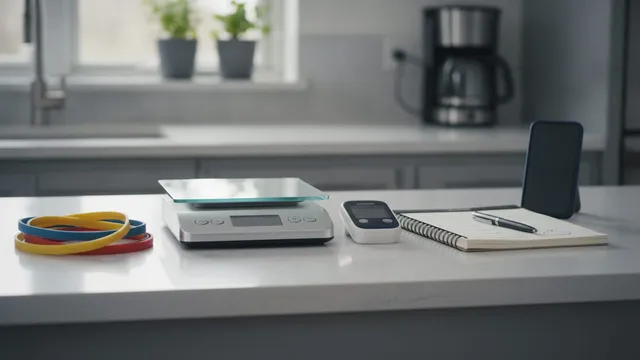
- A body composition scale or periodic DEXA scans (a good scale is ~$70; DEXA runs $50–$150 per scan, twice a year is plenty)
- Bloodwork twice a year — often covered, sometimes $100–$200 out of pocket
- A simple tracking habit — Notes app, spreadsheet, whatever you'll open
The scale weight matters less than trends. Trends matter less than labs. And labs matter less than how you feel when you walk up a flight of stairs. Track all of it.
The Hidden Cost Nobody Invoices You For
Behavior change and habit formation. That's the real currency of year two.
The people who regain weight aren't usually the people who couldn't afford the medication. They're the people who quietly stopped meal-prepping on Sundays. Who let the gym lapse in December and never restarted. Who told themselves "one week off tracking" for eleven weeks.
I'm not being preachy — I've done all of the above. Multiple times. The fix isn't willpower. It's designing your week so the default behavior is the healthy one. Groceries delivered on Sunday. Workouts on the calendar like meetings. Protein at breakfast, not "when I get around to it."
Cheap in dollars. Expensive in attention. Pay it anyway.
What About Your Relationship with Food and Body Image?
Budget a little emotional bandwidth here too. Year two is when the novelty wears off and the mirror starts telling you a more complicated story. Some people benefit from working with a therapist or a registered dietitian who specializes in this transition — $100–$200 a session, and often the single best money spent all year.
If that's not in the budget, at least give yourself permission to notice what's happening. Progress isn't linear. Plateaus aren't failures. And the body you have at month eighteen is not a verdict — it's a checkpoint.
A Note From the Non-Clinician
I'll say what I always say: I'm not your doctor. Anything I've written about dosing paths, labs, or timing is context, not prescription. Your maintenance strategy needs to come from a clinician who knows your history — ideally one who's actually managed GLP-1 patients through year two, not someone improvising. That's the whole point of the physician-supervised model we built at tb2.health: year one isn't the finish line, and you shouldn't be navigating year two alone.
Keep Going
Here's what I want you to hear: maintenance is not a punishment. It's not the boring sequel to a great first movie. It's the actual movie. Year one was the trailer.
The costs are real, but they're manageable — and they're an investment in a version of you that year-one-you was fighting to become. Budget for it the same way you'd budget for anything you plan to keep: honestly, generously, and with a little room for the unexpected.
You've already done the hard part. Now protect it.