
By Paul Moss, Co-founder, tb2.health
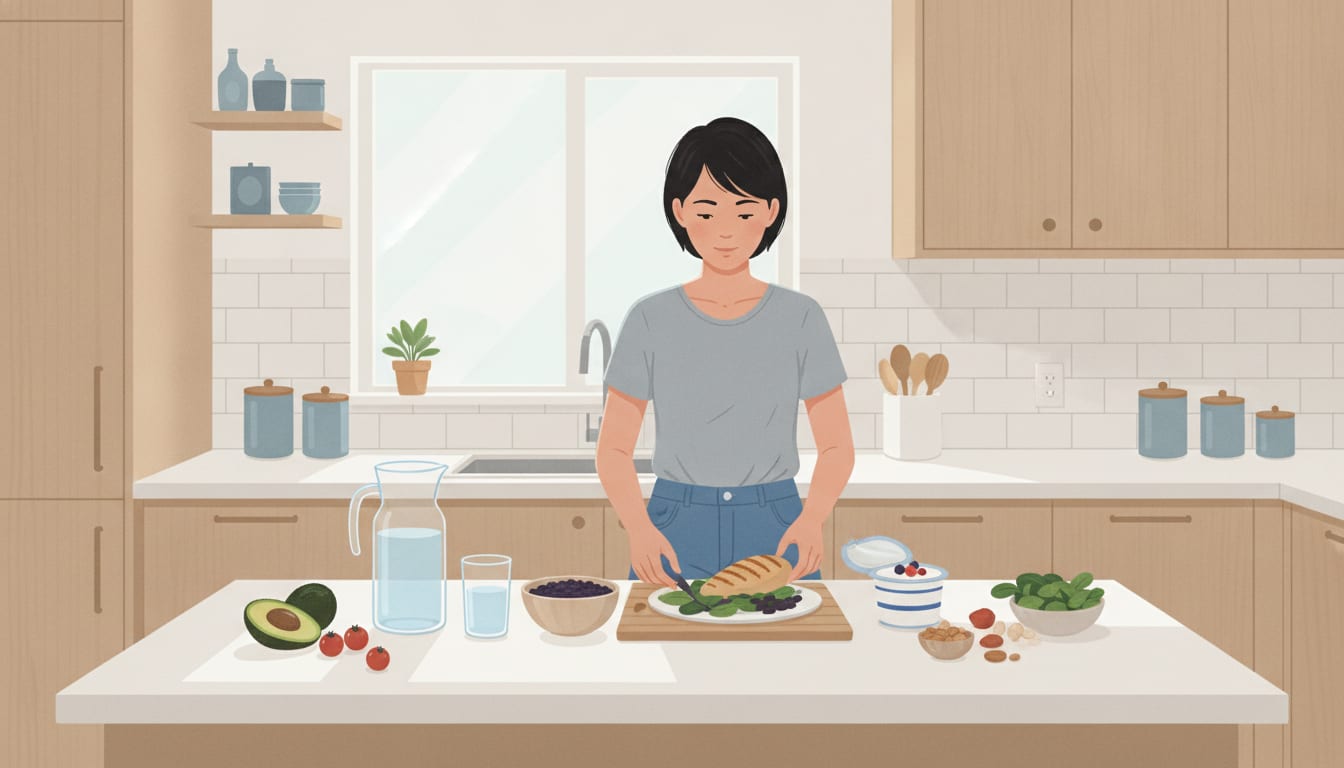
So you're thinking about starting a GLP-1 — or you just did — and the internet has kindly informed you that you're about to spend the next quarter of your life hugging a toilet. Let me offer a different, more accurate story.
Most side effects are mild. Most are manageable. And most fade as your body adjusts. But "most" isn't "all," so let's talk honestly about what to expect, what to do about it, and when to stop Googling and call your clinician.
The Short Answer, Up Front
The three side effects that get the most airtime are nausea, constipation, and — the sleeper concern nobody warns you about at happy hour — muscle loss during rapid weight loss. All three are largely preventable or manageable with a few boring, unsexy habits: slow titration, protein intake, hydration, fiber, and resistance training.
The dramatic side effects you read about on Reddit? Usually a story about someone who escalated too fast, ate like they were still on a college meal plan, and skipped their check-ins. Medical supervision exists precisely so that doesn't happen to you.
What's Actually Happening in Your Body
GLP-1 medications slow gastric emptying and blunt appetite signaling. That's the mechanism doing the heavy lifting — and it's also the mechanism producing most of the side effects. Food sits in your stomach longer. You feel full faster. Your gut motility shifts. Your calorie intake drops, sometimes significantly.
The FDA's prescribing information for GLP-1 receptor agonists lists gastrointestinal symptoms as by far the most common adverse events, with the NIH noting that most resolve as tolerance develops during titration. That word — titration — is the whole ballgame. Start low. Go slow. Adjust based on how you respond, not how your neighbor did.
I'm not a clinician, but I am tb2.health's patient zero. I've lived through the first-shot jitters and the "why is my body doing this" week-two nausea. Here's what actually works.
Managing Nausea
Nausea is the headline symptom. It usually shows up in the first week after a dose increase and mellows within a few days.
What helps:
- Eat smaller meals. Your stomach empties slower now. Respect that. Half portions, twice as often.
- Prioritize protein and simple foods. Grilled chicken, eggs, Greek yogurt, broth-based soups. Save the creamy fettuccine for month three.
- Skip the fried and ultra-fatty stuff early on. Fat further slows gastric emptying. You'll feel it.
- Don't lie down right after eating. Gravity is your friend.
- Ginger works. Real ginger, ginger tea, ginger chews. Not a placebo — several clinical reviews support its anti-nausea effect.
- Hydrate between meals, not during. A stomach that's already slow doesn't need to be full of liquid on top of food.
If nausea is persistent, wakes you at night, or comes with vomiting you can't keep down — that's a clinician call, not a "push through it" moment.
Managing Constipation
The one nobody wants to talk about. Slower digestion plus reduced food and fluid intake equals a traffic jam.
The fix is not glamorous:
- Fiber. Aim for 25–35g daily. Berries, chia seeds, leafy greens, beans if you tolerate them.
- Water. Half your body weight in ounces is a reasonable floor. More if you're active.
- Movement. A daily walk isn't optional — it's part of the protocol.
- Magnesium citrate at night, when appropriate. Ask your clinician about dose.
- A stool softener as a bridge tool if things get stuck. Not a lifestyle.
Constipation that lasts more than a week, comes with severe pain, or blood — call someone. Immediately.
GLP-1 Muscle Loss Prevention (The One Nobody Talks About)
Here's the part I care about most, because it's the one that quietly determines whether you look and feel great a year from now or hollow and fragile.
When you lose weight rapidly on any protocol — GLP-1s included — a portion of that loss can come from lean muscle mass. Research summarized by the American Journal of Clinical Nutrition suggests that in rapid weight-loss scenarios, as much as 25–40% of total loss can be lean tissue if you're not deliberately protecting it.
You do not want that. Muscle is metabolic real estate. Losing it makes maintenance harder, aging harder, and rebound weight gain more likely.
The prevention protocol:
| Lever | Target | Why It Matters |
|---|---|---|
| Protein | 0.7–1.0g per pound of goal body weight | Preserves lean mass during a caloric deficit |
| Resistance training | 2–4 sessions per week | Provides the stimulus muscle needs to be retained |
| Sleep | 7–9 hours | Recovery and hormone regulation |
| Creatine | 3–5g daily | One of the most-studied supplements for lean mass retention |
| Avoid excessive deficits | Steady, sustainable pace | Aggressive deficits accelerate muscle loss |
Lift heavy things. Eat protein. Sleep. That's the whole program in six words. The International Society of Sports Nutrition has been shouting this for years — it applies whether or not you're on a GLP-1.
If protein feels impossible because your appetite is gone, that's exactly why we start meals with the protein source. Chicken first. Vegetables second. Rice, if there's room, third.
Other Side Effects Worth Knowing About
- Fatigue — often a symptom of undereating. If you're eating 800 calories a day because "nothing sounds good," you'll feel like a wilted houseplant. Eat, even if you're not hungry.
- Heartburn / reflux — smaller meals, don't lie down after eating, and mention it at your check-in.
- Injection-site reactions — usually mild redness. Rotate sites.
- Hair thinning — almost always tied to rapid weight loss and low protein intake, not the medication itself. Fix the intake, fix the shedding.
- Mood shifts — worth flagging early. Don't tough it out.
When to Stop Managing and Call Someone
This is the section I want you to actually remember. Certain symptoms are not "wait and see." Contact a clinician immediately for:
- Severe or persistent abdominal pain (especially radiating to the back)
- Vomiting you can't keep fluids down against
- Signs of dehydration — dizziness, confusion, dark urine
- Yellowing of skin or eyes
- Severe allergic reaction symptoms
The FDA's MedWatch page is where serious adverse events get reported, and reputable programs — ours included — maintain protocols specifically for triaging these.
A Clinician-Deference Note
Everything above is education, not prescription. I'm a co-founder, a patient, and a guy who reads too much clinical literature — not a physician. Your titration schedule, dose adjustments, and symptom management need to run through the clinician who knows your history. Inside tb2.health's program, that's built in: you're not managing this alone. You have a care team, structured check-ins, and a real human to text when week two feels weird.
If you're doing this without medical supervision — please don't. The side-effect gap between supervised and self-directed use is not a small one.
The Real Message
Side effects on a GLP-1 are usually a signal, not a sentence. The signal is: slow down, eat smarter, hydrate, move, sleep, lift, and talk to your clinician. Do those things and most of the ugly stories on the internet stop being your story.
You're not signing up for suffering. You're signing up for a tool that works best when you meet it halfway. Meet it halfway. I'll see you at week twelve, feeling like a completely different person — with the muscle to prove it.
If you want to see what medically-supervised looks like in practice, that's what we built tb2.health to do.